Hazardous waste disposal rules in Kentish Town and Camden
Posted on 19/10/2026
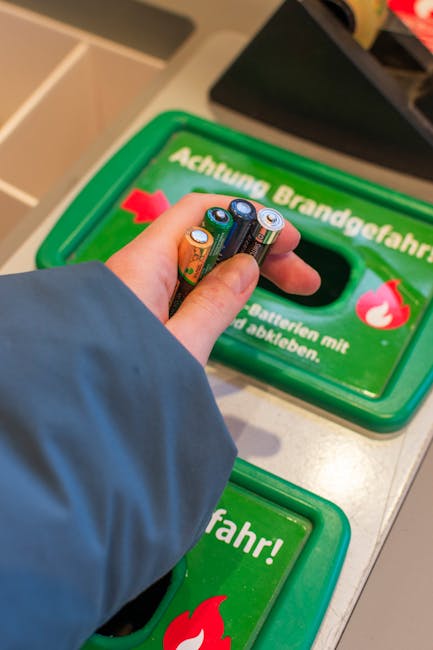
If you have old paint tins, chemicals, broken fluorescent tubes, batteries, or other risky household or business items sitting in a cupboard, the question is not just where do I put this? It is how to deal with it safely, lawfully, and without creating trouble for yourself or the people collecting it. The rules around hazardous waste disposal in Kentish Town and Camden can feel a bit tangled at first, especially if you are clearing a flat, refurbishing a property, or dealing with waste after a move. This guide breaks it down in plain English, so you can make sensible decisions without second-guessing every item.
You will find what counts as hazardous waste, how local disposal usually works, what to avoid, and when it makes sense to use a professional collection service. We will also cover practical steps for residents, landlords, tradespeople, and businesses, because truth be told, the same item can be a minor nuisance in one setting and a compliance headache in another.
Why Hazardous waste disposal rules in Kentish Town and Camden Matters
Hazardous waste is not the kind of thing you want sitting around "until next weekend". Even when it looks harmless, some items can leak, ignite, react with other materials, or expose cleaners and waste crews to real risk. In a dense part of London like Kentish Town, where properties are often close together and storage space is limited, that risk multiplies quickly. A single badly packed container can contaminate a whole load. One leaked tin can ruin a cardboard box, a bag, and the floor of a van. Not ideal.
The reason the disposal rules matter so much in Camden is simple: the borough has a built environment with narrow streets, mixed residential and commercial use, and a lot of regular waste movement from homes, offices, shops, and building projects. That means hazardous items need to be separated early, handled carefully, and passed to the right route. If you get it wrong, you may face refusal at collection, extra handling costs, or worse, an unsafe disposal method that causes environmental harm.
It also matters because "hazardous" is broader than many people think. A lot of residents assume only industrial chemicals count. In reality, household paint, garden chemicals, certain cleaners, batteries, gas canisters, aerosols, electrical items with embedded components, and some fluorescent lighting can all need more cautious treatment. If you are planning a larger clearance, it is often worth reading broader guidance too, such as the site's recycling and sustainability guidance, because the best hazardous waste decision is usually the one that also keeps reusable and recyclable items out of landfill.
How Hazardous waste disposal rules in Kentish Town and Camden Works
At a practical level, hazardous waste disposal works in layers. First, you identify the item. Then you separate it from normal rubbish. After that, you decide whether it can be taken to a suitable local service, a specialist collection, or a permitted disposal route. That sounds straightforward. Sometimes it is. Sometimes it is not. A half-empty tin of solvent, for example, is not treated the same way as a plain plastic bottle or a bag of old magazines.
The basic principle is that hazardous waste should not be mixed with general household waste or thrown into communal bins unless a collection system specifically allows it. Mixed loads are a common source of problems because the whole batch may then need extra sorting or may be rejected. For businesses, the expectations are usually stricter, especially where waste arises from maintenance, refurbishment, catering, cleaning, or healthcare-related activities.
In Camden and Kentish Town, a sensible disposal process usually looks like this:
- Sort items by type: liquids, solids, batteries, electronics, gases, and contaminated packaging.
- Keep original labels if present, because they help identify contents.
- Store items upright and sealed where possible.
- Never mix unknown chemicals together. That is one of those "what could possibly go wrong?" moments best avoided.
- Arrange the correct disposal route before moving the items around.
If your waste is part of a larger clear-out, such as a loft clearance, a shop reset, or a property sale preparation, it is worth planning the hazardous items first rather than last. A lot of people do the opposite, and then find themselves with a van load they cannot legally or safely finish. For anyone coordinating a bigger project, the related article on house clearance in Kentish Town is useful context, because hazardous waste often appears during domestic clearances in exactly the places people forget to check.
Key Benefits and Practical Advantages
Following the right disposal route is not just about avoiding a slap-on-the-wrist type problem. There are real practical benefits, and some are immediate.
- Reduced safety risk: You protect family members, neighbours, cleaners, drivers, and waste handlers from leaks, fumes, or fire hazards.
- Better compliance: Businesses, landlords, and tradespeople reduce the chance of non-compliant disposal and the mess that follows.
- Cleaner clear-outs: Sorting hazardous items early makes the rest of the clearance quicker and less stressful.
- Lower chance of rejected collections: Many waste problems happen because one dangerous item contaminates an otherwise straightforward load.
- Environmental care: Proper treatment keeps harmful substances out of ordinary waste streams.
There is also a less obvious benefit: peace of mind. If you have ever stood in a hallway looking at a box of old paints and a cracked bottle of cleaner and thought, "I do not want to be the person who handles this badly," you are already thinking like a responsible disposer. That instinct is worth listening to.
For businesses in Kentish Town, proper segregation can also make collections easier to schedule. If a clear-out is already underway, the chance to combine general rubbish removal with specific hazardous waste handling is often a practical win. The article on office clearance in Kentish Town is relevant here, because offices can generate toner, batteries, cleaning chemicals, and small electrical waste at the same time.
Who This Is For and When It Makes Sense
This topic matters to far more people than you might expect. Hazardous waste disposal rules in Kentish Town and Camden are relevant if you are:
- moving home and clearing cupboards, sheds, or lofts
- selling or letting a property and need it ready for viewings
- renovating a kitchen, bathroom, or workspace
- clearing out a garage or basement
- running a shop, office, or small business
- managing a rental property after tenants move out
- handling builders' waste that may include paints, adhesives, solvents, or sealants
For example, a landlord preparing a flat in NW5 may find old household chemicals under the sink, a broken lamp in storage, and a few batteries in a drawer. None of that is unusual. But all of it needs a bit more attention than standard rubbish. Likewise, a local cafe or small studio could have cleaning supplies and aerosol cans that should not simply be bagged up with everything else.
If you are weighing up whether a broader clearance service is worth it, this may help: if the hazardous waste is part of a larger, mixed load, or if you are dealing with a tight schedule, it usually makes more sense to treat it as part of a coordinated removal rather than trying to manage item by item. And if you are dealing with bulky general waste as well, waste removal in Kentish Town can be a useful companion service to think about alongside the hazardous items.
Step-by-Step Guidance
Here is the simplest way to approach hazardous waste without overcomplicating it. Not glamorous, but effective.
- Identify the item carefully. Read labels, look for warning symbols, and check whether it is liquid, solid, powder, pressurised, or electrical.
- Separate it from normal waste. Keep it away from food waste, textiles, cardboard, and garden waste.
- Keep it in its original container when safe. Do not decant chemicals into random bottles. That is asking for confusion later.
- Seal and secure the container. If the cap is loose or the lid is cracked, place the item in a safe secondary container where appropriate.
- Check whether the item is contaminated. For example, a rag soaked with solvent should not be treated like a dry rag.
- Choose the correct disposal route. This may be a specialist collection, a permitted local drop-off route, or a professional waste service.
- Document what you have if it is business waste. Keep a simple note of what was removed, when, and by whom.
A small but useful habit is to sort hazardous items as soon as you find them. Do not create a "mystery box" in the hallway and promise yourself you will deal with it later. Later has a funny way of becoming next month.
If your removal includes awkward access or a time-sensitive booking, it may help to review practical guidance on narrow street rubbish clearance in NW5, because access constraints often shape how hazardous items can be collected safely.
Expert Tips for Better Results
After dealing with a fair few clear-outs, one thing becomes obvious: the best hazardous waste jobs are the ones that start before the van arrives.
- Keep liquids upright and separated. Even tiny spills can spread quickly in a vehicle.
- Group items by hazard type. Batteries, chemicals, aerosols, and electrical items should not be bundled together without thought.
- Leave labels visible. If a collector has to guess what something is, the process slows down.
- Avoid overfilling boxes. Heavy containers can burst through weak packaging. A classic mistake, honestly.
- Use a dry, well-ventilated storage spot. A damp shed is not a great place for chemicals or cardboard-backed electrical waste.
- Plan hazardous waste first during a clearance. Once the normal rubbish is gone, you can assess what remains with a clearer head.
Here is a very practical tip: if you are dealing with a property sale or move, check high-risk storage areas early, especially under sinks, in utility cupboards, and in garden sheds. Those are the places where half-used products tend to gather. If you want a local planning angle for moving or preparing a home, the page on living in Kentish Town gives a good sense of the local housing context and why organised waste management matters in smaller London properties.

Common Mistakes to Avoid
Most hazardous waste mistakes are not dramatic. They are small, ordinary errors that build into bigger problems. That is the annoying part.
- Mixing incompatible materials: Never combine unknown chemicals, even if they seem similar.
- Using normal bins for risky items: This is the quickest way to create a rejected load or a safety issue.
- Forgetting about hidden waste: Batteries in drawers, old paint behind boxes, and broken bulbs in a loft are easy to miss.
- Packing items loosely: Loose containers can tip, crack, or leak during lifting.
- Assuming all electrical waste is harmless: Some items are fine, but not all are treated the same way.
- Leaving disposal until the last minute: This is how people end up with a half-finished clearance and a lot of frustration.
For business owners, one of the most common mistakes is treating hazardous waste as a side issue during a larger office or shop tidy-up. It is not a side issue. It changes the whole disposal plan. If you are trying to keep a commercial project moving, the article on rubbish clearance for businesses in Kentish Town offers a good reminder that timing and sorting matter just as much as volume.
Tools, Resources and Recommendations
You do not need a huge kit to handle hazardous waste better. A few simple tools make a real difference.
- Sturdy gloves: Useful for handling dusty, dirty, or lightly contaminated packaging.
- Seal-able containers: Keep compatible items contained and upright.
- Permanent marker: Label boxes clearly so nobody has to open them twice.
- Absorbent material: Handy for secondary containment if a small leak appears.
- A simple written inventory: Especially useful for businesses and landlords.
In practical terms, the best resource is a calm sorting process. Label things, separate them, and do not rush. If you are arranging a general clearance alongside hazardous items, checking services overview can help you understand how broader waste handling is usually structured before you commit to anything.
Another sensible recommendation: if you know the load will include awkward, potentially dangerous, or mixed items, ask for a service that is comfortable with responsible sorting rather than a one-size-fits-all collection. That is not overkill. It is common sense.
Law, Compliance, Standards, or Best Practice
Hazardous waste is a regulated area in the UK, and the exact duties depend on whether you are dealing with household waste, commercial waste, or waste from works such as construction or refurbishment. That is why it is important to be careful with general advice. You should always treat hazardous waste with a higher level of caution than ordinary rubbish.
As a broad best-practice rule, do not mix hazardous items with general waste, do not burn them, do not pour liquids into drains, and do not store them in a way that allows leaks, fumes, or child access. For commercial premises, keeping a basic record of what was produced and how it was removed is sensible and often expected in practice. If a collection provider is used, the business should be confident that the waste stream is being handled in a compliant and traceable way.
For Kentish Town and Camden residents, local rubbish rules and collection expectations are also worth understanding because general waste habits often affect how hazardous items are managed. A useful local reference point is the page on Camden Council rubbish rules for Kentish Town residents, which sits well alongside this topic even though hazardous waste often needs a more specialised route.
If your project involves building work, adhesives, sealants, plaster dust, or old fixtures, it is smart to treat the waste as more than a simple house clear-out. The page on builders' waste disposal in Kentish Town is especially relevant where hazardous materials are mixed with renovation debris. Just because something came from a home doesn't mean it is automatically safe.
Options, Methods, or Comparison Table
There is more than one way to handle hazardous waste, and the best option depends on the type of item, the amount involved, and how quickly it needs to go. Here is a straightforward comparison.
| Method | Best for | Strengths | Limitations |
|---|---|---|---|
| Careful home sorting and storage | Small quantities of clearly labelled items | Low cost, tidy, easy to prepare | Needs patience and correct identification |
| Specialist hazardous waste collection | Mixed, awkward, or larger-risk loads | Safer handling, less stress, better for compliance | May cost more than simple disposal |
| Combined clear-out service | House moves, refurbishments, office resets | Efficient for mixed waste streams | Requires good sorting before collection |
| Small-scale staged disposal | Very limited household waste over time | Flexible and manageable | Can drag on if the waste keeps building up |
In many real-world cases, the combined clear-out option is the most practical. If you are already shifting furniture, old fixtures, or broken fittings, it rarely makes sense to treat the hazardous items as a completely separate headache. The right service mix saves time and reduces clutter.
Case Study or Real-World Example
A fairly typical Kentish Town scenario goes like this. A couple preparing to move out of a flat near the station start clearing cupboards two days before inventory. Behind the cleaning products they find old paint, a cracked aerosol can, a box of mixed batteries, and a couple of dead light fittings. None of it looks dramatic, but it is awkward enough to stall the rest of the move if left untouched.
Rather than bag everything together, they sort the items into separate groups: sealed paint tins, batteries, and lighting waste. One tin is labelled but half-used, so it stays upright and untouched. The aerosol can is checked for damage and stored carefully on its own. The rest of the flat clearance continues as planned, while the risky items are kept out of the main rubbish stream.
What made the difference was timing. They did not wait for a skip-style clean-up at the end. They found the hazardous waste early, dealt with it separately, and kept the rest of the move calm. Not perfect, but a lot better than improvising at the last minute while packing tape is everywhere and somebody is looking for the kettle.
That is the main lesson, really: the process becomes much easier once hazardous waste is identified early and handled deliberately.
Practical Checklist
Use this checklist before any hazardous waste collection or disposal in Kentish Town and Camden:
- Check all cupboards, sheds, lofts, basements, and work areas for risky items
- Separate liquids, batteries, aerosols, electrical waste, and chemicals
- Keep containers sealed, upright, and clearly labelled
- Do not mix different chemicals or unknown substances
- Store items away from heat, damp, and children
- Keep hazardous waste away from normal household rubbish
- Make a note of anything unusual or difficult to identify
- Plan the disposal route before moving large amounts of waste
- For business waste, keep simple records of what is removed
- Choose a collection method that matches the type and volume of waste
Expert summary: The safest approach is usually the simplest one: identify hazardous items early, keep them separate, and use the correct disposal route instead of improvising. That small bit of discipline saves time, reduces risk, and often makes the whole clearance feel less stressful.
Conclusion
Hazardous waste disposal rules in Kentish Town and Camden are less about bureaucracy and more about control. If you know what you are dealing with, keep it separated, and choose the right disposal route, the whole job becomes far easier. That is true whether you are clearing a home, managing a rental, or tidying a business premises.
The most useful habit is also the simplest: pause before throwing anything away. Ask whether it could leak, burn, react, or contaminate other waste. If the answer is yes or even maybe, treat it with extra care. A little caution at the start saves a lot of hassle later, and sometimes that is the difference between a smooth clearance and a messy one.
If you are planning a larger clearance or want help handling mixed waste properly, it is worth taking the time to review your options carefully and choose a service that fits the job rather than forcing the job to fit the service.
Get a free quote today and see how much you can save.

Copyright © . House Clearance Kentish Town. All Rights Reserved.