Camden Council rubbish rules for Kentish Town residents
Posted on 07/07/2026
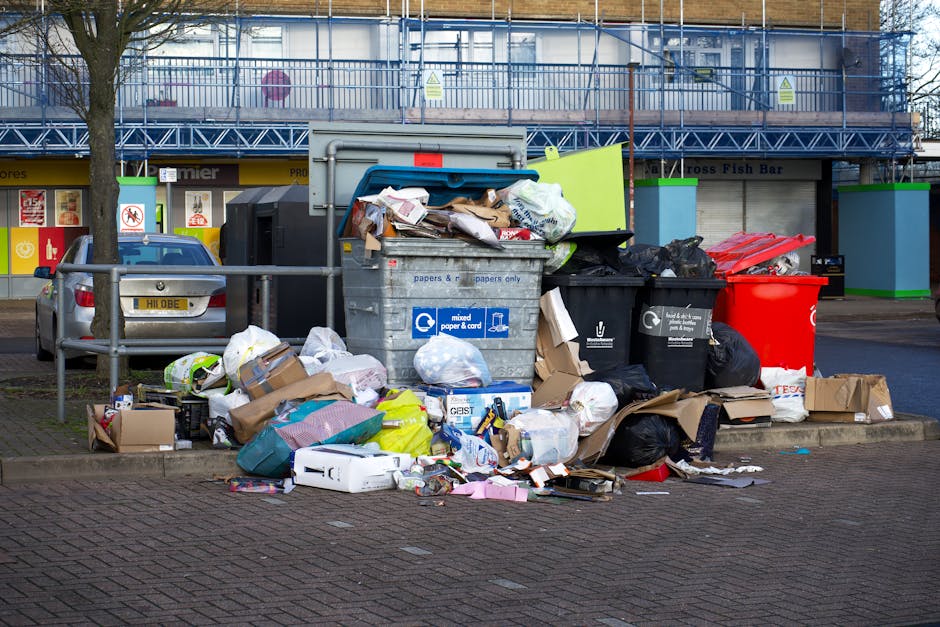
Camden Council rubbish rules for Kentish Town residents: a practical local guide
If you live in Kentish Town, rubbish and recycling can feel deceptively simple until a missed collection, an overfilled bin, or a bulky item on the pavement suddenly becomes your problem. The Camden Council rubbish rules for Kentish Town residents matter because they shape how waste should be stored, presented, sorted, and removed in everyday life. Get them right, and your street stays tidier, your collection runs smoother, and you avoid annoying avoidable issues. Get them wrong, and it's a different story. In this guide, we'll break the rules down in plain English, with practical steps, common mistakes, and realistic advice for flats, houses, landlords, and businesses.
Why Camden Council rubbish rules for Kentish Town residents matters
In Kentish Town, rubbish rules are not just a neatness issue. They affect how safely you live, how pleasant your street looks, and how much time you spend dealing with avoidable mess. On narrow roads and busy residential terraces, one badly placed bin bag can block a pavement, attract pests, or create a bit of a domino effect where everyone ends up guessing what should happen next. That's especially true around flats, shared entrances, and short front gardens where storage space is limited.
There is also a practical side. Camden's waste arrangements are designed around collection schedules, separation of recyclables, and the safe handling of larger items. If you are moving home, refurbishing, clearing a house, or just finally tackling the pile in the spare room, knowing the local rules helps you choose the right method from the start. That can save you from last-minute scrambles and the classic "where does this even go?" moment on a Sunday night.
For residents near busier streets, the rules also help with neighbour relations. Nobody wants a row over bins on a Tuesday morning. To be fair, most waste issues in London come down to small misunderstandings rather than bad intentions. A clear routine solves a lot.
How Camden Council rubbish rules for Kentish Town residents works
At a basic level, Camden's system expects household waste to be sorted, stored safely, and presented in the correct way for collection. In plain terms, that usually means keeping general waste separate from recycling, using the right containers where provided, and putting items out only when appropriate for pickup. The details can vary depending on whether you live in a house, a converted building, a block of flats, or a managed property.
Most residents will deal with a combination of:
- general household waste
- dry mixed recycling
- food waste, where provided
- garden waste, if your property and collection setup allow it
- bulky waste or special items that need separate arrangement
The key thing to understand is that not every item can go into the same bin, and not every item should be left outside as if it will somehow disappear by magic. It won't. The most common issues are contamination, overfilled containers, broken bin lids, and leaving unsuitable waste where collection crews cannot safely take it.
If you are dealing with more than ordinary household rubbish, such as a house clearance after a move or a build-up of old furniture, it is often worth looking at practical clearance support as well as the local rules. For example, residents often compare ordinary household disposal with dedicated collection help through rubbish collection in Kentish Town or broader options such as waste removal in Kentish Town when the volume gets out of hand.
And yes, if you have ever stood on a pavement in the drizzle holding a sofa cushion while waiting for a mate to bring a van, you already know why a clear system matters.
Key benefits and practical advantages
Following the rules properly is not just about being "good" in a council-approved sense. It gives you real, everyday benefits.
A cleaner, calmer home environment
When waste is sorted and removed on time, kitchens smell fresher, hallways stay clearer, and outdoor areas stop becoming dumping grounds. That sounds obvious, but anyone who has shared a building knows how quickly clutter multiplies.
Fewer missed collections and fewer awkward surprises
Collections are far less likely to be missed when bins are presented correctly and not overloaded. In a busy street, one untidy setup can affect a whole row. A small correction early on often prevents a bigger mess later.
Better recycling habits
Most residents want to recycle more, but the tricky bit is doing it consistently. The rules create a clear routine. Once you know what goes where, recycling stops feeling like a guessing game. That's a win for the street and a win for your own sanity.
Less risk of pest problems
Food waste, loose rubbish, and damaged sacks can attract pests very quickly. If you live near quieter side streets or rear access points, the risk can creep up without you noticing. Good storage habits make a noticeable difference.
Better planning for clearances and moves
When you understand what can be placed where, you can plan a clearance more efficiently. That is especially useful if you are arranging a house move, preparing a property for sale, or sorting a long-neglected loft. If that sounds familiar, the context around house clearance in Kentish Town is worth understanding before you start.
Who this is for and when it makes sense
This guide is for anyone in Kentish Town who handles domestic waste, but some groups will find it especially useful.
- Flat dwellers: Shared bins, communal spaces, and limited storage create confusion fast.
- House owners and tenants: You may have more control, but you also carry more responsibility for what goes out and when.
- Landlords and letting agents: A property that repeatedly fails waste expectations can become a management headache.
- Families: More daily waste usually means more chances to get sorting wrong.
- People moving home: Packing creates a lot of mixed rubbish, cardboard, and bulky items very quickly.
- Small businesses working locally: The line between household waste and commercial waste matters, and it's easy to blur it by accident.
It also makes sense if you are in the middle of something temporary and messy: a renovation, a bereavement clearance, a spring clean that somehow became a full-life reset, or a family issue that needs a practical solution rather than a perfect one. Truth be told, most people only start thinking carefully about rubbish rules when they are already up to their elbows in it.
Step-by-step guidance
If you want a straightforward way to stay on top of the Camden Council rubbish rules for Kentish Town residents, use this sequence. It keeps things simple.
- Check what waste you actually have. Separate ordinary household rubbish from recyclable materials, food waste, garden cuttings, and bulky items.
- Use the correct containers. If your property has bins or sacks assigned for certain waste streams, stick to them. Don't mix everything just because it is easier at 8 p.m.
- Keep waste contained. Bags should be tied, lids should shut, and loose items should not spill into shared areas or the pavement.
- Put containers out at the right time. Avoid leaving rubbish out too early. It can become a nuisance, particularly in wet weather or where foxes are around.
- Remove bins promptly after collection. This sounds minor, but it matters on tighter streets where space is at a premium.
- Arrange bulky waste separately. Furniture, appliances, mattresses, and large mixed loads usually need a different approach from everyday waste.
- Handle special waste carefully. Electrical items, sharp objects, paint, and construction debris need extra caution.
- Escalate early if the load is too much. If you are facing a full clear-out, it may be quicker to organise support than to battle with household bins for a week.
If you are not sure whether a particular pile counts as normal domestic rubbish or something more involved, it is usually wiser to pause and assess rather than guess. The wrong assumption is what causes most mess-ups.
Expert tips for better results
Here are the little things that tend to make the biggest difference in real life.
1. Build a weekly sorting habit
Don't wait until collection night. A ten-minute sort midweek is easier than trying to untangle everything at the kerb. In our experience, households that do a small reset every few days have far fewer problems.
2. Keep one box for awkward items
Have a designated box or bag for things like batteries, cables, small electricals, and miscellaneous bits you are not ready to throw out yet. That stops them floating around the kitchen drawer for six months. We've all got one of those drawers, by the way.
3. Use clear labels in shared homes
In flats or HMOs, a simple label on the bin area can stop confusion. You don't need anything fancy. Just something obvious and human-readable.
4. Protect waste from weather and wildlife
Wet cardboard is a pain to handle and bags split more easily in bad weather. If the forecast looks grim, try to time presentation more carefully. A rainy morning in north London has a way of making even the simplest job unpleasant.
5. Match the method to the job
If you have one broken chair, that is a different task from clearing out a whole spare room. For larger jobs, check whether a dedicated service is more efficient than trying to piece things together bin by bin. Many residents look at services overview options when they need a better-fit solution.
6. Think about access before the rubbish piles up
On narrow streets, timing and access matter as much as volume. If bins, parked cars, or stairwells will make collection awkward, sort that out early. A bit of planning saves a lot of muttering.

Common mistakes to avoid
A lot of rubbish problems are repeated little errors. Nothing dramatic. Just small things done at the wrong time.
- Overfilling bags and bins: This leads to spills, delays, and sometimes rejected collection.
- Mixing recycling with general waste: One greasy container can contaminate a whole batch.
- Leaving waste out for too long: It looks untidy and can attract unwanted attention from pests or passers-by.
- Putting bulky waste out without checking the process: A sofa is not the same as a bin bag, however much you wish it were.
- Forgetting shared responsibility in flats: One resident's habits can affect everyone else in the building.
- Assuming builders' waste is handled like household rubbish: It usually is not.
- Waiting until the last minute: This is the big one. Late decisions usually cost more time and cause more stress.
One common scene goes like this: a resident clears a wardrobe on a Saturday, places the broken pieces by the front gate, and hopes for the best. By Monday morning, the wood is damp, the screws are everywhere, and the neighbours are understandably unimpressed. Small mistake, big inconvenience.
Tools, resources and recommendations
You do not need a complicated setup to stay organised. A few practical tools make the whole process easier.
- Indoor sorting boxes: Handy for separating recycling, paperwork, and small electrical items.
- Heavy-duty rubbish sacks: Useful for tougher waste, though they still need sensible weight limits.
- Bin stickers or labels: Especially useful in shared buildings.
- A simple household checklist: Keep one note on the fridge with collection days and sorting rules.
- Photo reference before clear-outs: Helpful when comparing what can be kept, recycled, or removed.
For residents comparing broader removal support, the pages on recycling and sustainability and pricing and quotes can be useful starting points. If you are dealing with a job that is larger than routine household waste, the difference between a tidy plan and an expensive scramble can be surprisingly small - or huge, if you leave it too late.
It can also help to read around related local issues. For example, if your waste is tied to a home move, living in Kentish Town and local property context can shape what kind of waste you end up managing. Moves create rubbish. Lots of it.

Law, compliance, standards, or best practice
This area is worth handling carefully. The exact Camden Council arrangements can change, and different property types may have different expectations. So while the principles are stable, the detailed instructions should always be checked against your current local setup. The safest approach is to follow the standard waste hierarchy in everyday life: reduce what you throw away, reuse where possible, recycle properly, and only dispose of what truly has no better route.
For most residents, the biggest compliance issues are practical rather than legal in the dramatic sense. Examples include putting the wrong items in the wrong container, using inappropriate storage areas, fly-tipping household waste, or leaving obstructive rubbish in shared spaces. These are the kinds of problems that create friction and, in some cases, enforcement issues.
When a job moves beyond ordinary domestic waste, it is best practice to separate household rubbish from trades or renovation debris. Builders' materials should be handled as builders' waste, not quietly slipped into a normal bin routine. If you are in the middle of works, the specialist guidance on builders' waste disposal in Kentish Town is the more appropriate route.
For safety, avoid lifting heavy or sharp objects alone. Broken glass, metal offcuts, and heavy furniture are all common causes of avoidable injury. That is one of those boring warnings that becomes unboring very quickly when your back or hand is involved.
Options, methods, or comparison table
Different types of waste call for different methods. Here's a practical comparison to help you decide what fits your situation.
| Waste type | Typical approach | Best for | Main caution |
|---|---|---|---|
| General household rubbish | Standard bin or sack collection | Routine day-to-day disposal | Do not overfill or mix with recyclables |
| Dry mixed recycling | Sorted recycling container | Paper, cardboard, plastic, cans and similar items | Food contamination reduces recycling quality |
| Food waste | Separate food waste container, where provided | Kitchen scraps and leftovers | Keep containers closed to reduce smells |
| Bulky household items | Separate bulky waste arrangement or collection support | Furniture, mattresses, appliances | Do not leave it out casually and hope for the best |
| Garden waste | Garden waste collection or dedicated removal | Cuttings, leaves, small branches | Soil, rubble, and mixed waste may not be accepted the same way |
| Builders' waste | Specialist disposal or clearance service | Renovation debris and heavy materials | Usually cannot be treated like normal domestic rubbish |
In a busy household, the best option is not always the cheapest on paper. It is the one that avoids repeat handling, extra trips, and the kind of awkward pile that sits in a corner for three weeks becoming part of the furniture.
Case study or real-world example
A small terraced property in Kentish Town had been rented by a couple who were moving out at short notice. Between packing boxes, an old desk, a broken shelving unit, and a handful of bagged general waste, the front room had turned into a "temporary" storage space. By the end of the week, it was obvious that the usual bin routine was not going to handle everything.
Instead of trying to force the move into everyday collections, they sorted the items into three groups: recycling, general rubbish, and bulky pieces. The small waste went out through the normal route, while the furniture and awkward pieces were handled separately. The difference was immediate. No overstuffed bags, no last-minute panic, and no awkward morning on the pavement asking yourself whether a wobbly desk leg counts as household waste. It does, but not in the helpful way.
That example is simple, but it mirrors what happens in real homes. Most waste problems are solved by sorting early, separating waste streams, and choosing the right disposal method before the pile gets emotional. And piles do get emotional, somehow.
Practical checklist
Use this quick checklist before you put anything out or arrange a clearance.
- Have I separated recycling from general waste?
- Are all bags tied and containers closed properly?
- Is any item bulky, sharp, heavy, or awkward enough to need special handling?
- Am I sure this is household waste and not builders' or commercial waste?
- Will the waste block a path, doorway, or shared entrance?
- Do I know when the collection should happen?
- Have I removed anything that could leak, spill, or attract pests?
- If it's a larger job, have I compared household disposal with professional removal support?
If you can tick most of those off, you are probably on the right track. If not, pause and reset. That one pause can save a lot of mess later.
Get a free quote today and see how much you can save.
Conclusion
The Camden Council rubbish rules for Kentish Town residents are really about keeping everyday life workable. They help you manage waste safely, reduce clutter, and avoid the stress that comes from making assumptions about what should go where. For most people, the solution is not complicated: sort waste properly, respect collection timing, handle bulky or special items separately, and plan ahead when the load gets bigger than normal.
Whether you are in a compact flat, a family house, or a shared building, a simple waste routine makes a proper difference. Less mess, less confusion, fewer awkward conversations. And that's a nice thing to have in a place as lived-in and busy as Kentish Town.
If you are facing a bigger clear-out, it can be worth comparing ordinary household disposal with dedicated help before the rubbish takes over the room. Sometimes the smartest move is just getting it done properly, first time.
And on those grey London mornings when the bins are out and the street is still quiet, a tidy pavement somehow feels like the whole day might go a bit better. Small thing, but there you are.

Copyright © . House Clearance Kentish Town. All Rights Reserved.